

Tea Tree Oil: Traditional Uses & Benefits
In the world of natural wellness and beauty, few essential oils have earned the level of recognition and widespread use as Tea Tree oil. Derived from the leaves of the Melaleuca alternifolia, a tree native to Australia, it is know for its sharp, herbaceous and medicinal scent, with notes of camphor and hints of woody earthiness. This potent oil boasts a range of properties that has made it a staple in both skincare and traditional aromatherapy practices for generations.
The Chemistry of Tea Tree Oil
Tea Tree oil has potent antimicrobial and anti-inflammatory properties, and is traditionally used to fight bacteria, viruses and fungi. Its effectiveness is largely due to its unique chemical composition; particularly its high concentration of terpenes, which are naturally occurring compounds – primarily found in plants – with various aromatic and biological properties.
Authentic Tea Tree oil contains over 100 identified compounds. Of these, terpinen-4-ol is the most studied and widely considered the primary bioactive constituent. Terpinen-4-ol exhibits various pharmacological activities, including antimicrobial, anti-inflammatory, and antioxidant effects. It is a significant component of Tea Tree oil and believed to be responsible for many of its beneficial properties.
In vitro studies have investigated the activity of terpinen-4-ol and other terpenes in Tea Tree oil, and found that terpinen-4-ol demonstrated activity in lab settings against a broad spectrum of bacteria and fungi. Research has also explored the oil’s interaction with microbial cell membranes, suggesting that it may compromise cell wall integrity of certain bacteria and pathogenic yeast.
For further reading, see:
- Melaleuca alternifolia (Tea Tree) Oil: a Review of Antimicrobial and Other Medicinal Properties: https://pmc.ncbi.nlm.nih.gov/articles/PMC1360273/
- The mode of antimicrobial action of the essential oil of Melaleuca alternifolia (tea tree oil): https://pubmed.ncbi.nlm.nih.gov/10735256/
Popular Uses and Traditional Benefits of Tea Tree Oil
Historically, Tea Tree oil has been used by indigenous Australian communities, particularly the Bundjalung people, for its medicinal properties for thousands of years. They utilised crushed Tea Tree leaves to treat various ailments, including skin infections, cuts, burns, and insect bites. Today, it’s still used in a variety of skincare products and DIY wellness or cleaning routines, thanks to its powerful antimicrobial and anti-inflammatory properties and versatility in application.
Whether you’re looking to naturally support the skin during breakouts, or wanting to boost mental clarity, Tea Tree oil offers a wide range of uses. Here are some ways this popular oil is utilised in skincare and aromatherapy, as well as around the home.
In Skincare:
- Blemish-Prone Skin Support and Spot Treatment: Tea Tree oil is traditionally used to help purify the skin and support clearer complexions, especially in oily or acne-prone skin types. It is also commonly applied to blemishes as a natural alternative to conventional spot treatments. This is due to the oil’s antibacterial properties. Additionally, unlike harsh chemicals, diluted Tea Tree oil tends to be gentler on the skin, helping to soothe redness and inflammation without excessive dryness.
- Scalp and Hair Care: Thanks to its anti-inflammatory properties, Tea Tree oil is often included in shampoos and scalp treatments to support a healthy scalp and reduce the feeling of itchiness or flaking.
- Post-Shaving or Waxing Skin Soother: The oil is also used in aftercare to cool and calm the skin and reduce the appearance of redness.
- Natural Deodorant Ingredient: Due to its aromatic, purifying and antibacterial properties, Tea Tree oil is a popular component in natural deodorants.
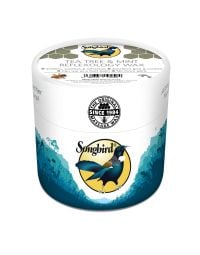
- Foot Care: Another benefit of its antibacterial nature, Tea Tree oil can also be added to foot soaks or creams to help refresh the feet, especially after wearing enclosed shoes or exercising. Here at Songbird Naturals, Tea Tree oil is a star ingredient in one of our most popular Reflexology Waxes: Tea Tree & Mint Reflexology Wax. Its antimicrobial properties make it a great choice for therapies focusing on the feet, and offers a pleasant fresh sensation for the recipient.
In Aromatherapy and Wellness:
- Promotes Mental Clarity: Tea Tree oil is often used to help clear mental fog and sharpen focus, particularly when blended with other stimulating oils like Rosemary, Peppermint or Eucalyptus.
- Traditionally Used to Uplift and Revitalise: The invigorating camphor-like scent of Tea Tree oil may help combat feelings of sluggishness or low motivation, especially during periods of emotional fatigue.
- Steam Inhalation: A few drops of the oil in a bowl of hot water are traditionally used to help clear the head and refresh the senses, and may help with congestion during cold and flu season.
- Encourages Emotional Grounding: Some practitioners use Tea Tree oil in blends aimed at emotional release, to help reset after conflict, stress or overstimulation.
- Used in Meditation, Study and Yoga Spaces: Tea tree oil is often diffused in meditation rooms, study areas, workspaces and yoga studios to help maintain mental alertness and create a grounded, fresh-smelling environment conducive to focus (bonus tip: it’s often used to help disinfect yoga mats, too!)
Household Uses
- Natural Surface Cleaner: Adding 10 – 15 drops of Tea Tree oil to a spray bottle with water, white vinegar and a splash of castile soap will create a natural, multi-surface cleaning spray. Shake well before each use.
- Mold and Mildew Freshening Spray: Tea Tree oil is traditionally used to help combat musty odours caused by dampness. Add 1 tsp Tea Tree oil to 250ml water in a spray bottle. Shake and spray on affected areas (such as bathroom tiles or windowsills). Let it sit, then wipe.
- Laundry Freshener: Try adding a few drops of the oil to your laundry (especially towels or gym clothes) before washing, to help deodorise and leave a fresh, clean scent.
- Bin Deodoriser: Putting a few drops on some cotton wool and placing it at the bottom of your kitchen or bathroom bins can help neutralise odours.
- Air-Purifying Diffuser Blend: To freshen indoor air, especially after cooking or during cold seasons, use an oil diffuser to diffuse Tea Tree oil with Lemon or Eucalyptus for a fresh, clean scent.
- Natural Toilet Cleaner: For a natural alternative to chemical toilet cleaners, combine 100g bicarbonate of soda with 50ml white vinegar and 10 drops of Tea Tree oil. Pour into the toilet bowl, let it sit for 10 – 15 minutes, then scrub and flush.
- Mattress and Upholstery Refresher: Try mixing Tea Tree oil with distilled water and a splash of Witch Hazel or vodka, then spray lightly on mattresses or soft furnishings to freshen them up (test on a small area first).
A few notes for careful use:
Always dilute Tea Tree oil before applying it to the skin, and avoid ingestion. A patch test is advised for sensitive skin. If in doubt, consult a registered aromatherapist.
Final Thoughts
Tea Tree oil is a standout among essential oils for its distinct chemistry and long history of traditional use. From its terpene-rich profile to its role in natural skincare and aromatherapy, this oil continues to be appreciated far and wide. Whether you’re looking to calm your skin or clear your mind, Tea Tree oil offers a natural, time-tested remedy with a wide range of applications. Its versatility makes it a must-have in any holistic health toolkit.